

A short guide to safe toys for babies
Three checks that catch most problems: size, seams, and what happens when it gets wet.
Baby-toy safety advice is usually either a wall of regulation or a single line telling you to check the age label. Here are the three checks that catch most real problems.
1. The toilet-roll test
If an object passes through a toilet-roll tube, a baby under three can choke on it. This is the crude version of the official small-parts cylinder, and it is close enough to be useful in a shop.
Check the parts as well as the whole: wheels, eyes, bells and battery covers come off.
2. Seams and stitching
On soft toys, pull the limbs and the eyes firmly. Safety eyes are washered on the inside and will not move. Glued-on felt will.
On hard plastic, run a thumbnail along the seam. A seam you can feel as a ridge is a seam that can split, and split plastic is sharp.
3. What happens when it gets wet
Everything a baby owns goes in the mouth and then, eventually, in the wash. Colourfast fabric and sealed battery compartments are not luxuries in this category.
On knee pads and crawling
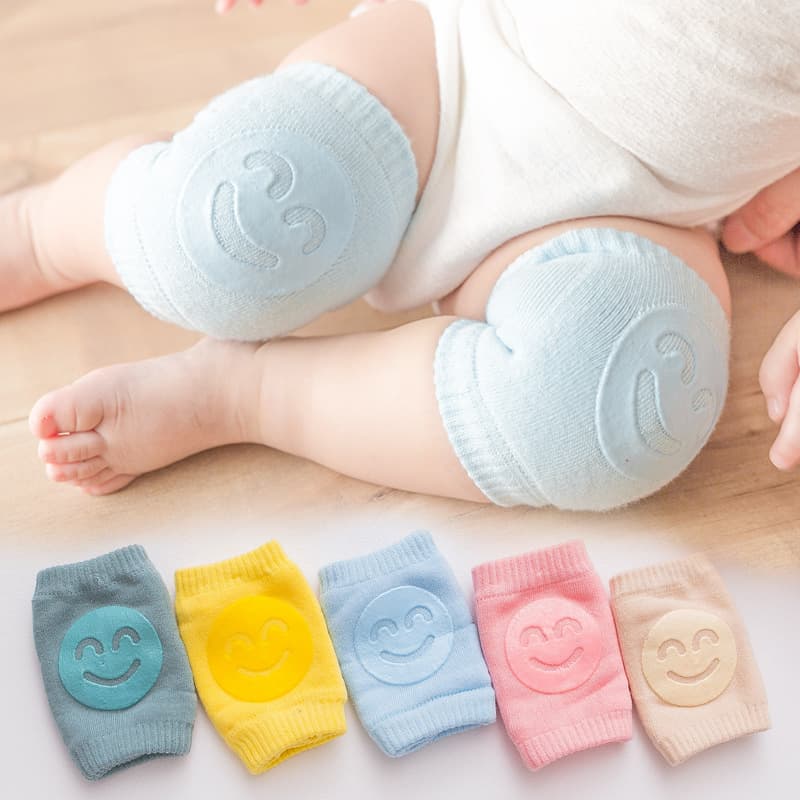
Crawling babies wear through knees fast, and hard floors are unforgiving. Terry socks and knee pads are the cheapest fix, and the grippy sole matters more than the padding once they start pulling themselves up.
Batteries
Coin cells are the one genuine emergency in this list. If a battery compartment does not need a screwdriver to open, it is not suitable for a baby.
Keep reading
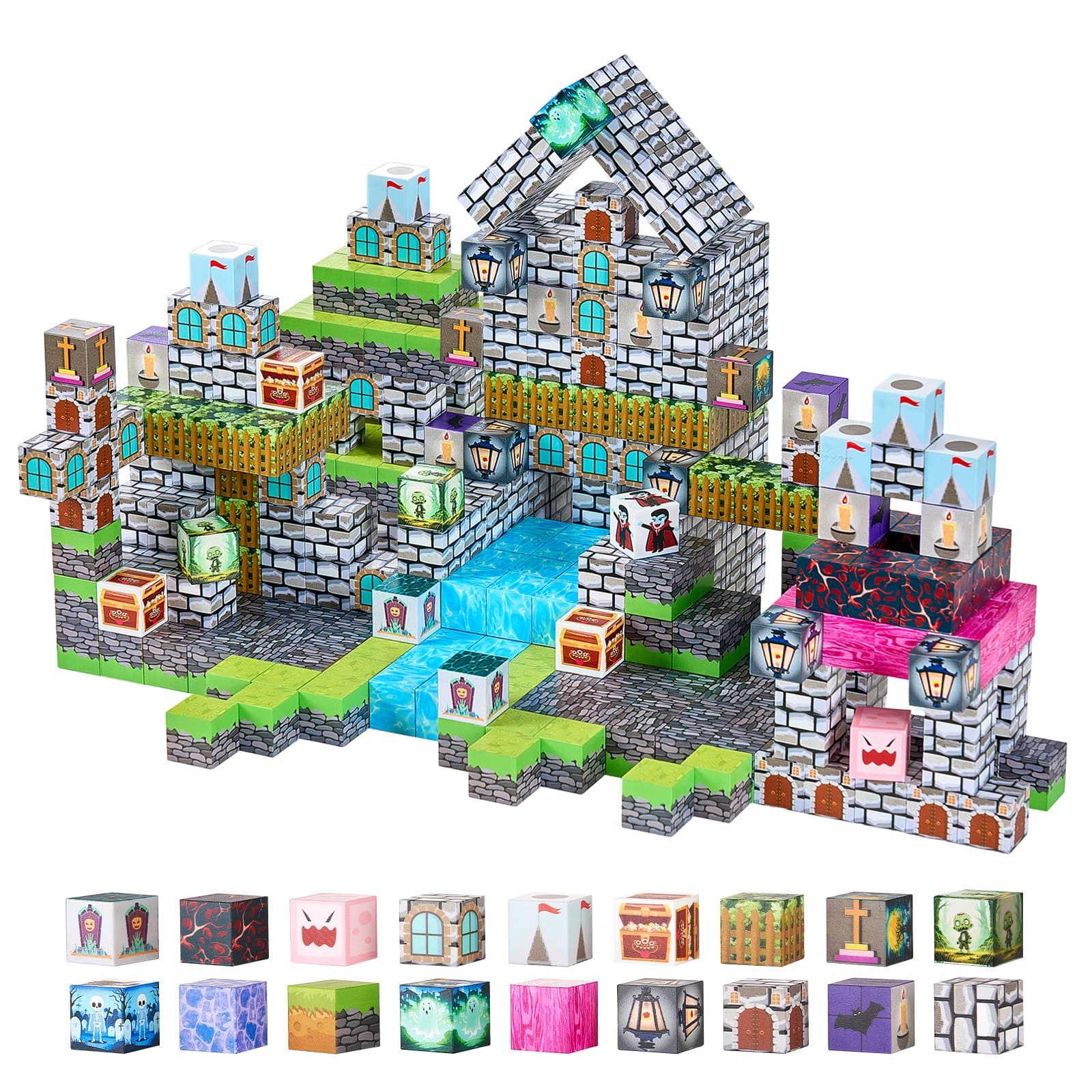
Choosing a first magnetic tile set
Piece count matters less than magnet strength and how well a set survives being stood on. What we look at before stocking one.
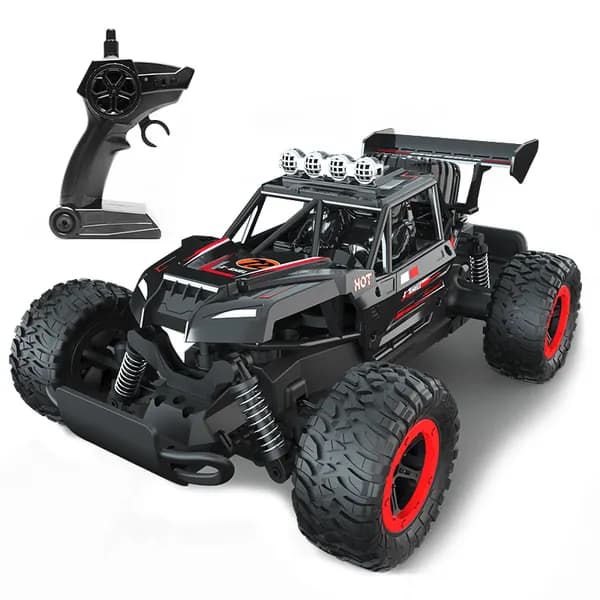
Remote-control cars for under-sixes
Most RC cars are designed for adults and sold to children. The difference shows up in the controller, not the car.
Why we ship from the supplier
We do not hold stock in a warehouse. Here is exactly what that means for what you pay and how long you wait.