

Choosing a first magnetic tile set
Piece count matters less than magnet strength and how well a set survives being stood on. What we look at before stocking one.
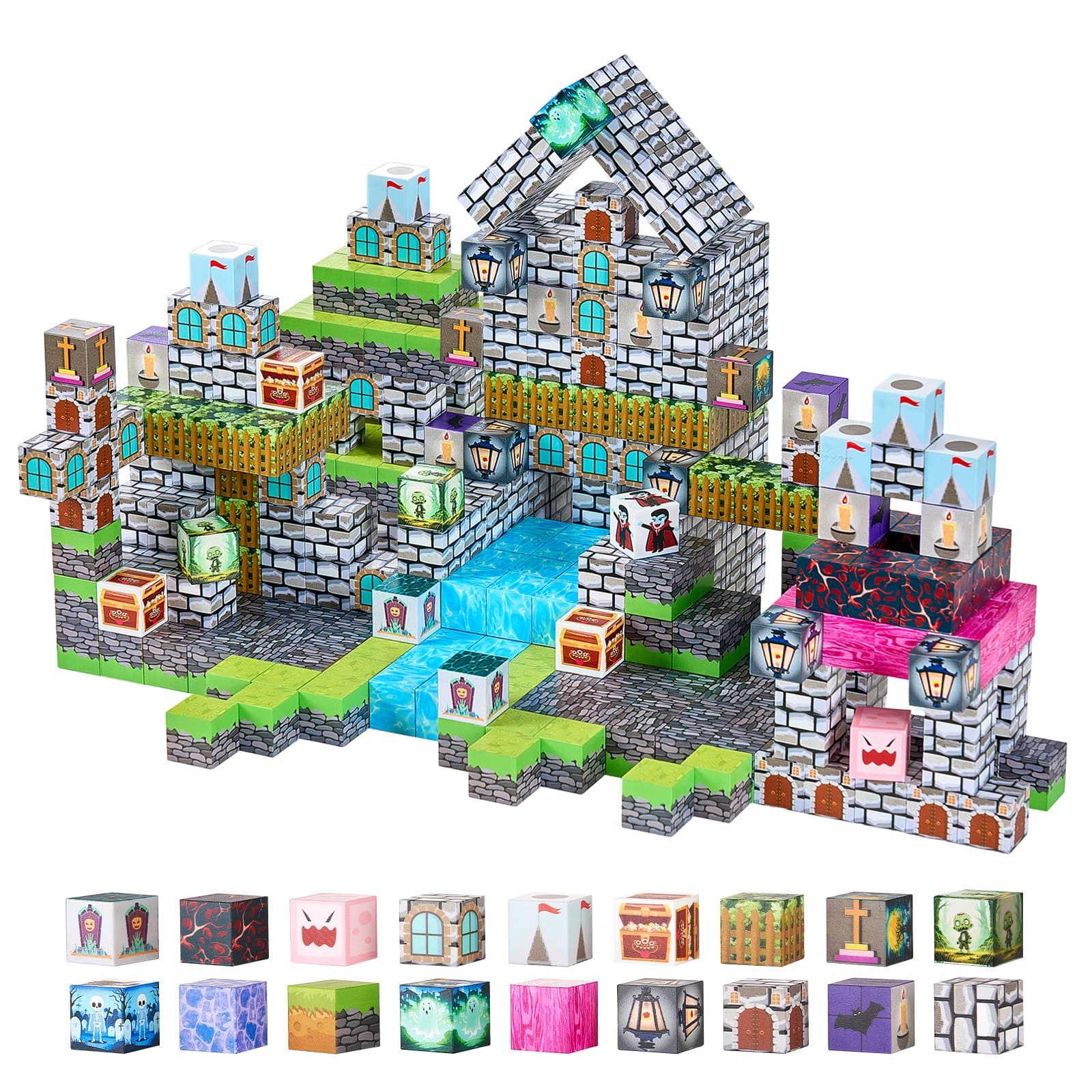
Magnetic tiles are the toy parents ask us about most, and the listings are unusually hard to compare. Two sets with the same photograph and the same "100 pieces" headline can behave completely differently in a child's hands.
Piece count is the least useful number
A hundred small squares is a worse set than sixty mixed squares, triangles and rectangles. Shapes are what let a build leave the ground. When you compare sets, count the kinds of piece, not the total.
What actually decides whether it gets played with
Magnet strength. Weak magnets make tall builds collapse, and a tower that falls every time stops being interesting within a week. Strong magnets hold a roof on.
Seam quality. Tiles are two plastic shells welded around magnets. A bad weld splits along the seam the first time somebody stands on one — and somebody will stand on one.
Rivets, not glue. Riveted magnets stay put. Glued ones eventually don't, and a loose magnet is the one genuine safety problem with this category.
On age labels
The boxes usually say 3+. That is a small-parts label, not a difficulty rating. Under-threes put tiles in their mouths; over-sevens still build with them. There is no upper bound worth taking seriously.
What we stock
We keep a 100-piece set and a larger 150-piece set. The larger one is the better value per piece, but the smaller is the better first set — it fits in one box a child can carry, which matters more than it sounds.
Keep reading
Remote-control cars for under-sixes
Most RC cars are designed for adults and sold to children. The difference shows up in the controller, not the car.
A short guide to safe toys for babies
Three checks that catch most problems: size, seams, and what happens when it gets wet.

Five screen-free afternoons that actually work
Not a lecture about screen time. Just five things that reliably hold attention for longer than ten minutes.